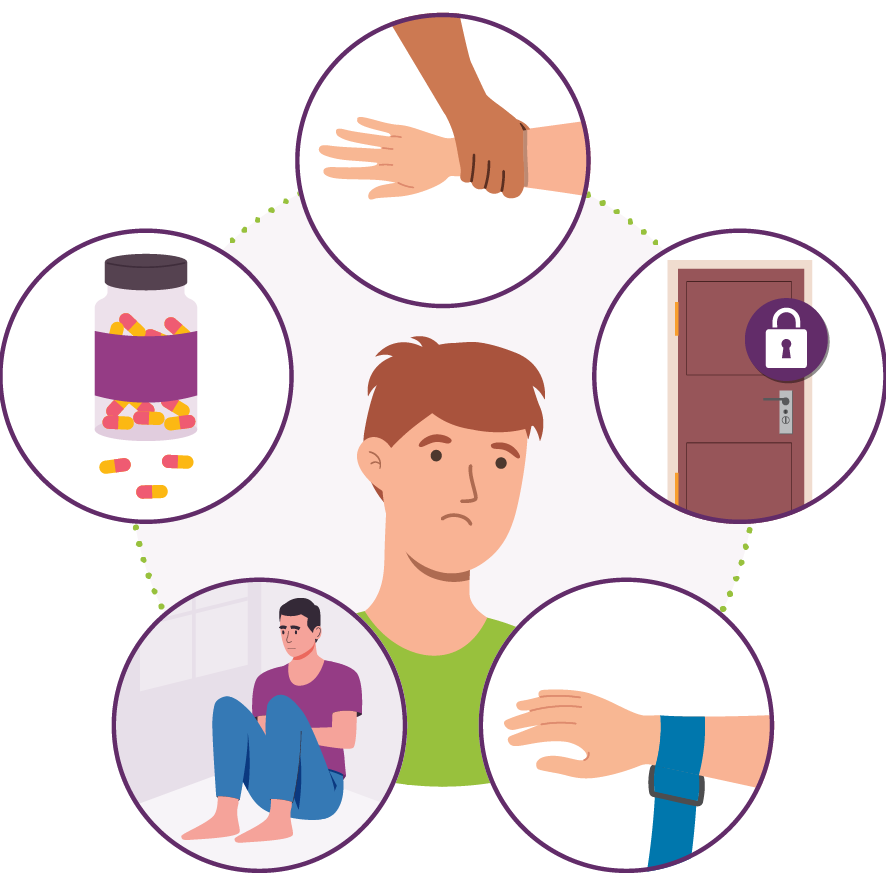
Participants must be told when regulated restrictive practices are going to be part of their behaviour support plan. This must be done in a way that is easy to understand.
See section 20 of the NDIS (Restrictive Practices and Behaviour Support) Rules 2018.
We have made some resources to support this important conversation.
About Restrictive Practices and Me
Restrictive Practices and Me is a series of resources to help you talk about restrictive practices. They can help you do this in a meaningful way that upholds participants' rights.
Restrictive Practices and Me can be used:
- by specialist behaviour support providers and NDIS behaviour support practitioners
- with NDIS participants and their support people
- when restrictive practices are going to be part of their behaviour support plan.
Restrictive Practices and Me resources
The resources include:
- a tip sheet for practitioners and providers
- Plain English and Easy Read Discussion books
- a case study
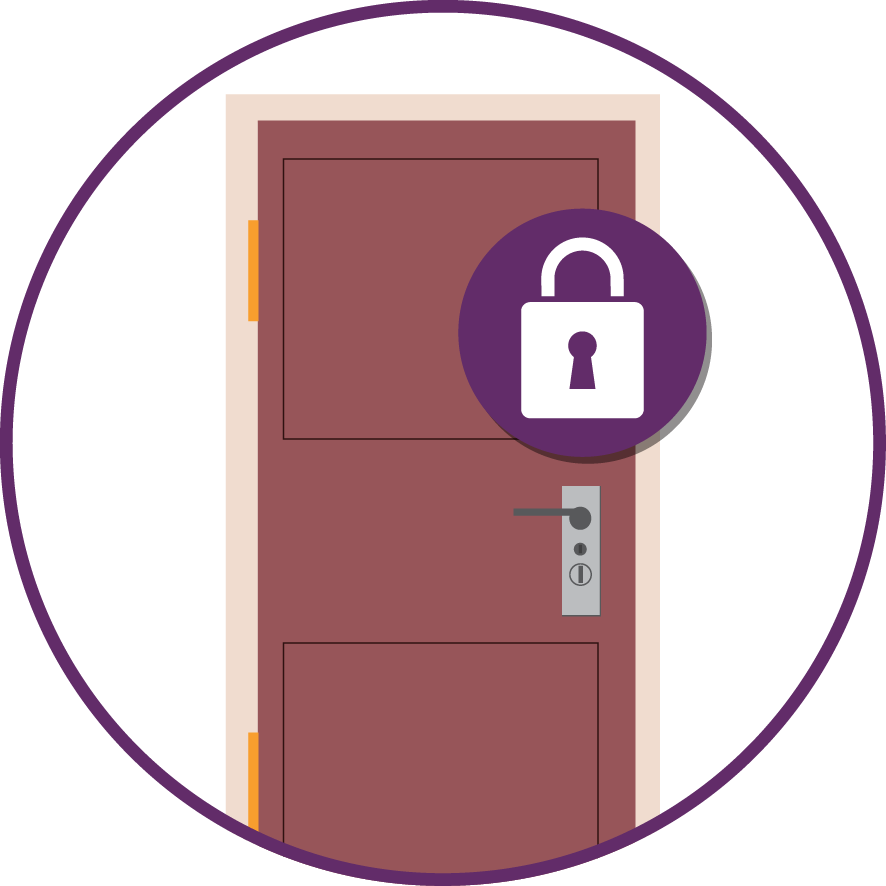
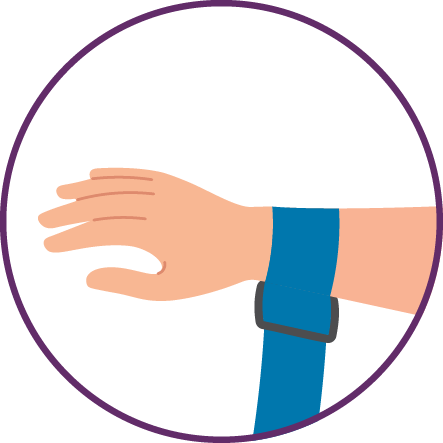
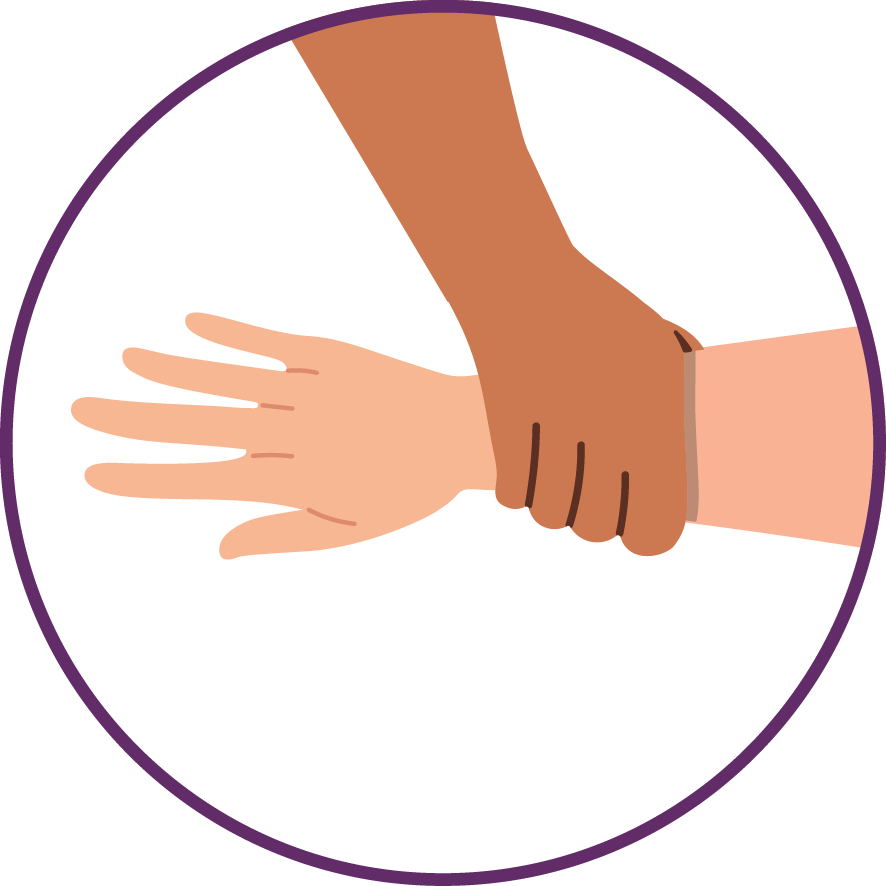
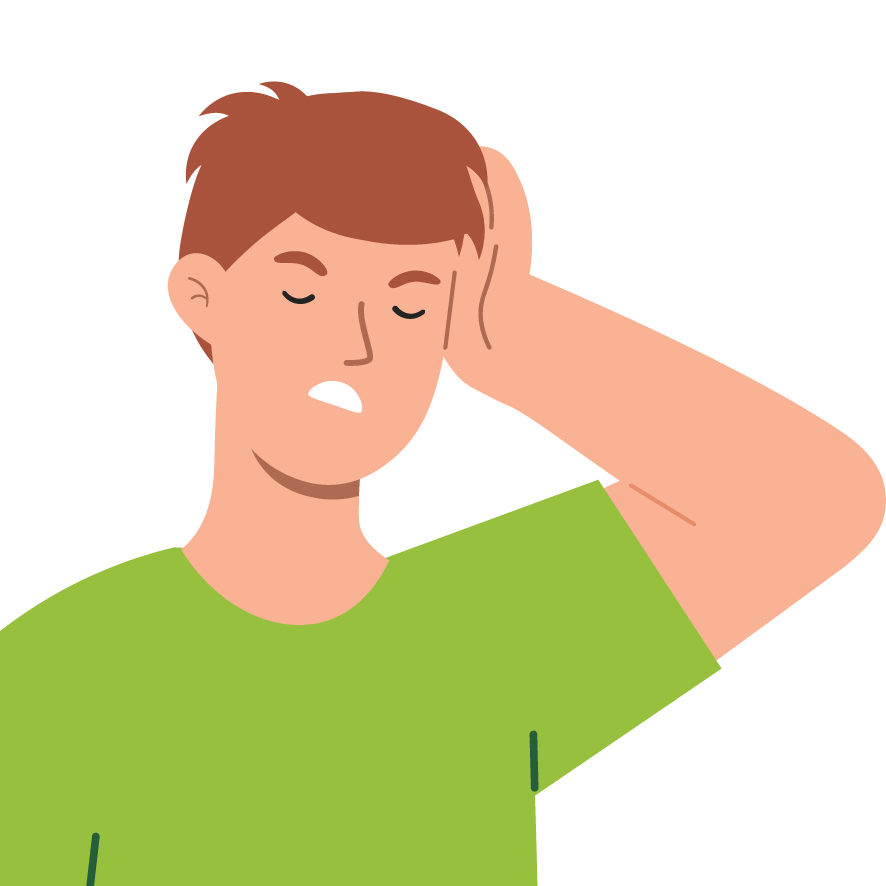
- a set of icons about restrictive practices.
Using the resources
Using Restrictive Practices and Me is optional but strongly encouraged. You can use, share, and change the resources as needed.
The discussion books can be edited and changed to meet each participant’s needs. You can download the Word documents and change them.
The images can also be adapted, printed, or used in your own resources.
How we developed the resources
We worked with lots of people to make these resources, such as:
- people with disability
- NDIS providers
- state and territory restrictive practice authorisation bodies
- graphic designers
- the Council for Intellectual Disability.
Kabir is a 22-year-old man with an intellectual disability. Kabir who loves the Parramatta Eels football team and lives with two other young people with 24/7 NDIS support.
On four recent occasions, Kabir has threatened his housemates with a knife, after they moved or took his football memorabilia without permission.
Kabir is now being supported by Anna, an NDIS behaviour support practitioner. Anna is getting to know Kabir and developing an Interim Behaviour Support Plan (BSP). Anna thinks that in the short term, Kabir’s should not have access to sharps. This will be reviewed when Kabir's behaviour support assessment is finished. This is an environmental restraint.
Anna goes onto the NDIS Commission website and downloads a copy of the Restrictive Practices and Me Easy Read discussion book. She removes the pages about chemical restraint, mechanical restraint, physical restraint, and seclusion because they are not used with Kabir. She keeps the background information and section with questions about environmental restraint.
Anna works through the Easy Read discussion book with Kabir. They are joined by Jon, his support worker. Anna shares information about restrictive practices in two visits to Kabir's home.
Together they answer the questions about:
- the environmental restraint
- what this means for Kabir
- other ways he will be supported.
Kabir explains how he feels about the practice and shares things he would like his workers to do differently. Anna writes this down and later uses this information to inform Kabir’s BSP and daily supports.
Related resources
Image downloads
- NDIS Participant image
- NDIS Participant (worried) image
- Rights image
- Regulated restrictive practices image
- Chemical restraint image
- Environmental restraint image
- Mechanical restraint image
- Physical restraint image
- Seclusion image
- Collaboration with support people image
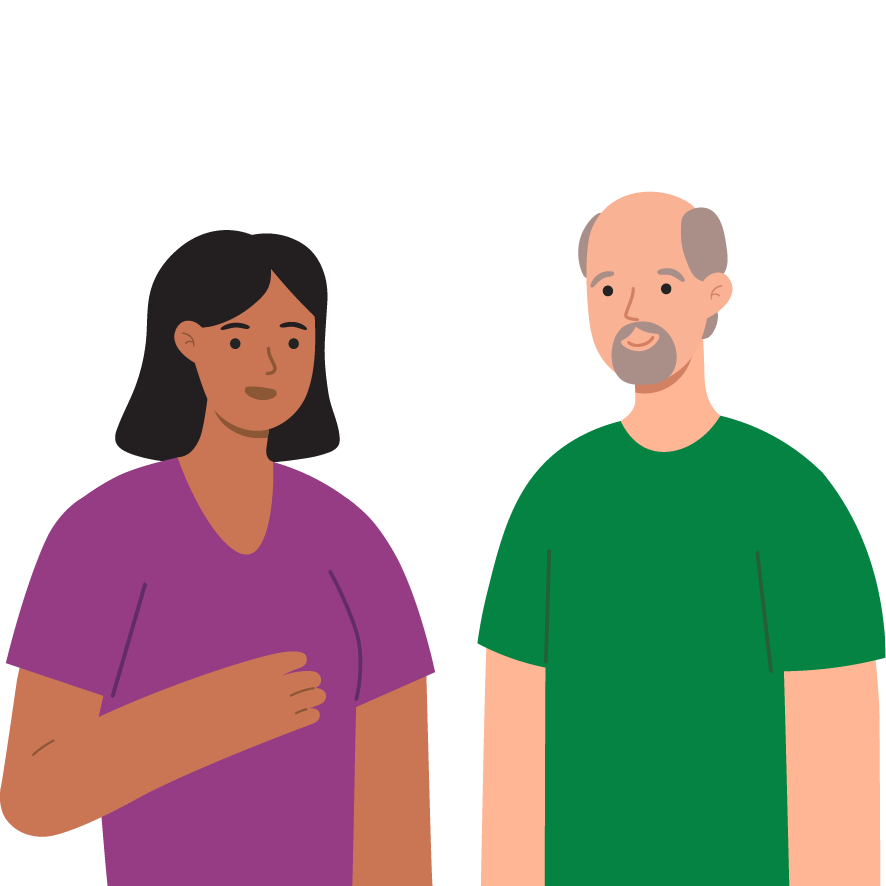
- Collaboration or conversation image
- Behaviour support practitioner image
- Rules image
- Behaviour support plan image
- Keep safe image
- Risk image
- Side effects image
- Questions or discussion image
- Shortest time image
- Reduce image
- Stop image